
 By
By 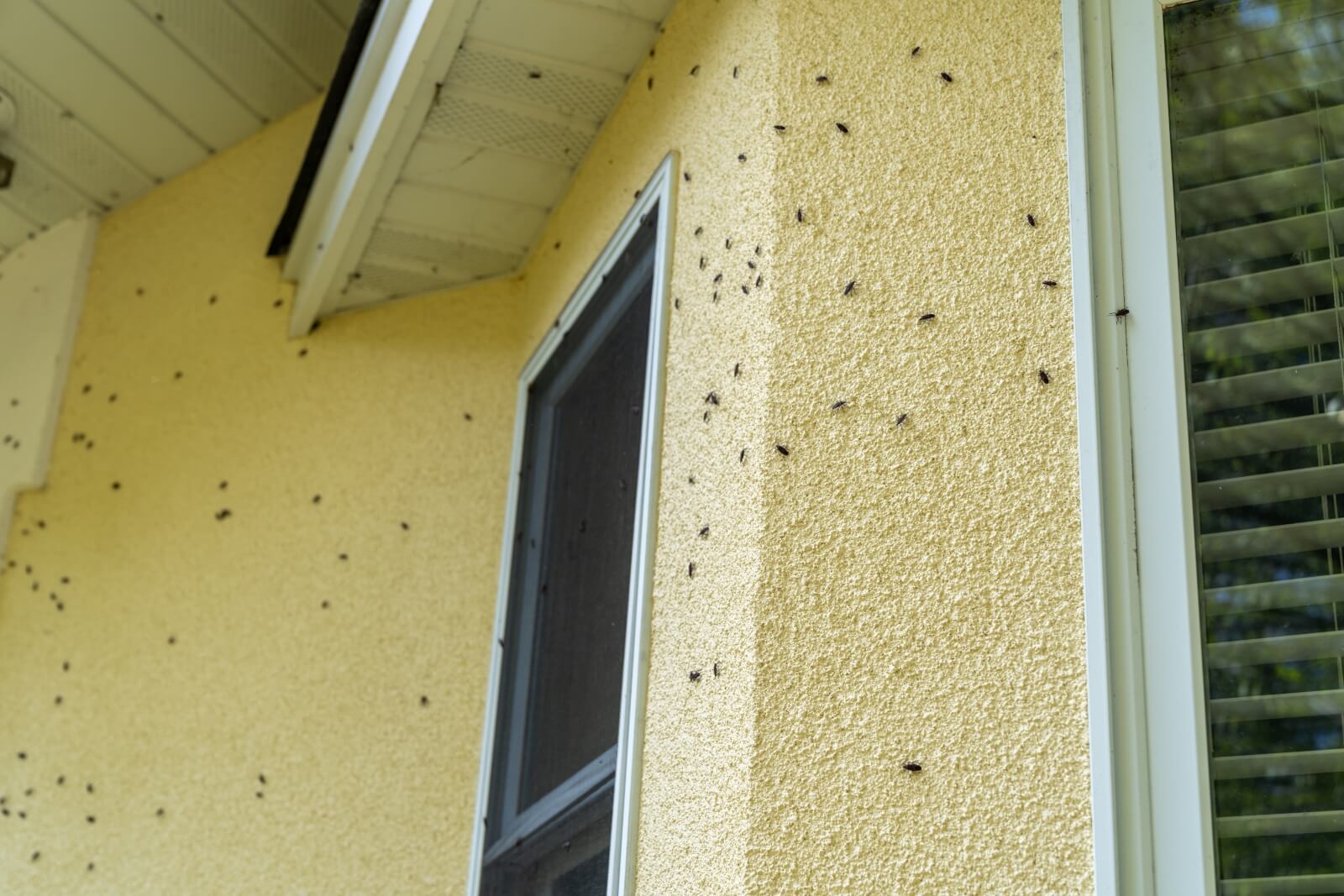
Pests don’t appear randomly — they operate on patterns driven by weather, temperature, humidity, and food availability. Homeowners often notice certain pests more during specific months, but most don’t understand why these shifts happen. Recognizing seasonal pest behavior isn’t just interesting — it’s a strategy that helps property owners know when to prepare, what infestations to expect, and how to reduce risks before they become major problems.
Whether it’s ants moving indoors after heavy rainfall, mice seeking warmth during winter, or mosquitoes booming during humid summer months, each season affects pests differently. This blog breaks down common seasonal patterns and the science behind them, offering actionable steps to protect homes year-round.
Why Pests Follow Seasonal Cycles
Just like animals migrating or plants blooming at certain times, pests respond to environmental triggers. Temperature changes influence reproduction rates, food sources, and shelter needs. Moisture fluctuations impact nesting locations. Human behavior also plays a role — like open doors in summer or stored holiday food in winter.
Key drivers include:
- Temperature: Determines reproduction and survival rates
- Moisture: Attracts pests needing water for nesting
- Food Supply: Dictates movement indoors vs outdoors
- Shelter Needs: Push pests into homes during cold or wet periods
- Day Length: Signals breeding cycles for certain insects
Understanding these triggers allows homeowners to prepare actively, instead of reacting once pests have already settled in.
Spring – The Season of Pest Awakening
As temperatures rise, dormant pests emerge and colonies begin to expand. Moist soil encourages termite activity, warming weather increases ant movement, and early flowers attract stinging insects.
Common spring invaders include:
- Ants
- Termites
- Spiders
- Early mosquitoes
- Bees and wasps beginning nest construction
Prevention tips for spring:
- Seal cracks around foundation and entry points
- Fix leaky faucets or moisture-prone basements
- Trim vegetation away from exterior walls
- Store pet food and pantry goods in sealed containers
Spring preparation often determines how manageable summer will be — stopping pests early prevents exponential colony growth.
Summer – Peak Season for Most Insects
Summer brings warmth, humidity, and abundant food — perfect conditions for insects. Mosquito populations surge, wasps become territorial, and ants forage more aggressively. Outdoor dining, BBQ gatherings, and open windows unintentionally attract pests.
Expect increases in:
- Mosquitoes
- Stinging insects
- Ant colonies
- Flies
- Fleas and ticks (especially for pet owners)
Smart summer defense strategies:
- Use screens on windows and doors
- Maintain lawn and reduce standing water
- Clean grill areas and outdoor eating spaces
- Keep garbage sealed and away from entrances
Because pests reproduce fastest in summer, consistent prevention matters more than occasional reaction.
Fall – The Great Migration Indoors
When temperatures drop, pests begin winter preparation. Rodents, spiders, and overwintering bugs like stink bugs search for heat sources — leading many straight into homes. Fall is one of the most critical times to block entry points.
Typical fall intruders:
- Mice and rats
- Spiders seeking warmth
- Boxelder and stink bugs
- Cockroaches moving toward indoor food sources
Fall prevention checklist:
- Seal gaps under doors and around vents
- Store firewood away from house exterior
- Clean attics, basements, and garages
- Deep clean kitchens to eliminate crumbs and oil buildup
The earlier homes are sealed, the fewer winter problems will appear.
Winter – Pests Don’t Disappear… They Hide
Cold weather reduces insect activity, but rodents, roaches, and spiders thrive in heated indoor environments. Rats reproduce year-round, and just one pregnant mouse can lead to dozens within weeks. Many pests nest inside walls, attics, and crawl spaces undetected.
Winter pest threats include:
- Rodents
- German cockroaches
- Silverfish
- Cluster flies
- Overwintering spider species
Winter protection strategy:
- Store food in airtight containers
- Insulate attic openings and pipe gaps
- Keep clutter minimal to reduce nesting space
- Check storage boxes before bringing indoors
Winter is also a prime time for proactive inspections — infestations caught early are easier and less expensive to control.
Why Seasonal Awareness Saves Homeowners Money
Preventative planning is always cheaper than emergency removal. Understanding seasonal trends allows for timely maintenance, targeted treatment, and reduced damage risk — especially from pests like termites or rodents that can cause structural harm.
Advantages of seasonal pest awareness:
- Fewer infestations reach full severity
- Homes maintain better air quality and cleanliness
- Repairs, replacements, and food waste decrease
- Families and pets stay safer from bites or disease
- Long-term prevention costs less than late intervention
Being one season ahead is the smartest pest management strategy homeowners can adopt.
When Professional Help Makes the Difference
While DIY methods can reduce surface-level problems, many pests require professional treatment for full removal. Rodent colonies, termite damage, and recurring ant invasions often persist without expert handling. Homeowners benefit most when seasonal preparation is paired with professional monitoring or service — especially during peak migration periods.
Those needing expert support with year-round prevention or active infestations can consult Kansas city pest control services for professional protection and seasonal pest management solutions.
Final Thoughts
Every season tells a different story in the world of pests. Spring brings awakening, summer brings population booms, fall triggers indoor migration, and winter hides problems behind walls. By understanding seasonal pest cycles, homeowners can prepare smarter, reduce risk, and maintain a healthier living space throughout the year.
Pest prevention isn’t a one-time task — it’s a year-round strategy built on awareness and action.












Comments