
 By
By 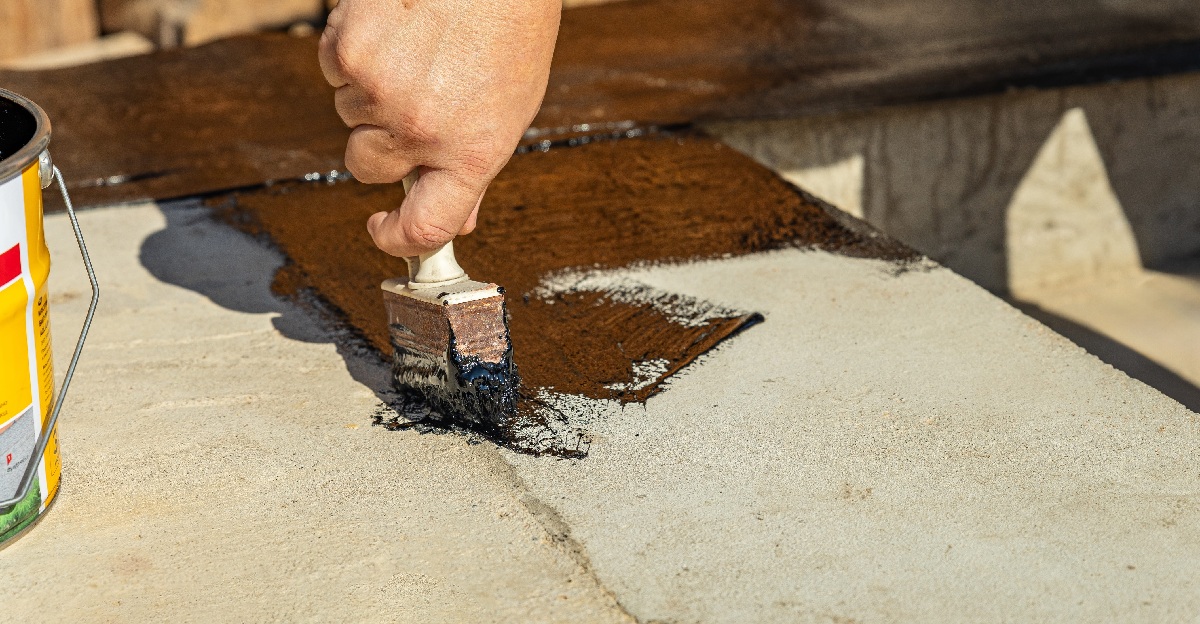
Waterproofing contractors spend their working lives studying the ways water infiltrates buildings, understanding that moisture follows predictable paths determined by gravity, capillary action, and hydrostatic pressure. In Singapore, where humidity hovers near saturation and rainfall arrives in torrential bursts, the problems these professionals prevent represent the difference between buildings that age gracefully and structures that deteriorate prematurely.
Concrete Deterioration and Spalling
Water penetrating concrete initiates a cascade of destructive processes. The moisture reaches embedded reinforcement steel, triggering oxidation that expands iron into rust. This expansion exerts tremendous force against surrounding concrete, eventually causing the surface to crack and break away in a process called spalling.
A waterproofing specialist working on high-rise repairs explains: “By the time you see rust stains on concrete, significant damage has already occurred beneath the surface. The reinforcement has expanded, micro-cracks have formed, and the concrete has lost structural integrity. Prevention through proper waterproofing costs a fraction of structural repairs.”
Professional waterproofing prevents this deterioration by creating barriers that keep moisture away from vulnerable concrete and steel.
Mould Growth and Indoor Air Quality
Moisture accumulation inside building envelopes creates ideal conditions for mould colonization. Spores germinate on damp surfaces, forming colonies that release additional spores and volatile organic compounds. These biological contaminants affect indoor air quality and create health concerns for building occupants.
Singapore’s tropical climate accelerates mould growth when moisture control fails. Waterproofing experts understand that preventing mould requires eliminating moisture sources rather than treating visible growth after it appears.
Common mould prevention applications include:
- Bathroom tanking beneath tile finishes
- External wall waterproofing preventing rain penetration
- Basement moisture barriers blocking groundwater
- Roof membrane systems stopping leak pathways
Foundation and Substructure Damage
Below-grade waterproofing protects foundations from hydrostatic pressure that builds when groundwater surrounds buried walls. Without adequate protection, water gradually penetrates concrete, saturating the material and creating pathways for continued infiltration.
A contractor specializing in foundation waterproofing notes: “Singapore’s water table fluctuates with seasonal rainfall. Buildings need protection designed for worst-case conditions, not average scenarios. We’ve seen foundations where inadequate waterproofing led to continuous seepage, requiring extensive excavation and remedial work.”
Interior Finishes and Cosmetic Damage
Water intrusion destroys interior finishes long before structural problems become apparent. Paint blisters and peels. Wallpaper lifts and stains. Plaster softens and crumbles. Flooring materials warp, buckle, or delaminate. These visible damages signal moisture problems that waterproofing professionals prevent through proper exterior and wet area protection.
The economic impact extends beyond replacement costs. Water-damaged interiors require occupant relocation during repairs, business interruption, and content removal. Professional waterproofing eliminates these cascading expenses.
Electrical System Hazards
Moisture and electricity create dangerous combinations. Water reaching electrical systems causes short circuits, equipment failures, and fire hazards. Conduits running through walls become pathways for water migration when waterproofing fails. The moisture corrodes connections, degrades insulation, and creates shock risks.
Waterproofing contractors coordinate with electrical installations, ensuring that service penetrations through waterproof membranes receive proper sealing.
Ceiling and Roof Leak Damage
Roof waterproofing failures produce some of the most visible and disruptive building problems. Water entering through compromised roof membranes travels along structural elements before appearing at ceiling levels, often far from actual entry points.
A waterproofing professional with extensive roof experience observes: “People see water dripping from a ceiling and assume the leak sits directly above. We often find the actual membrane failure metres away, with water following beams or sloping surfaces. Proper waterproofing prevents these detective exercises.”
Prevention strategies include:
- Regular roof membrane inspection and maintenance
- Proper flashing around penetrations and edges
- Adequate drainage design preventing water accumulation
- Quality installation following manufacturer specifications
Bathroom and Wet Area Failures
Bathrooms generate moisture through daily use, making them particularly vulnerable to waterproofing failures. Water penetrating through inadequate floor and wall protection reaches timber framing, causing rot and structural weakening. The moisture migrates to adjacent rooms, damaging finishes and creating conditions for mould growth.
Professional waterproofing specialists apply tanking membranes beneath bathroom finishes, creating continuous barriers that contain water within designed drainage systems.
Rising Damp in Older Buildings
Ground moisture rising through capillary action affects buildings lacking adequate damp-proof courses. The moisture travels vertically through masonry or concrete, appearing as staining, efflorescence, and deterioration at lower wall sections.
Modern waterproofing contractors remediate rising damp through chemical injection barriers, external tanking, or drainage improvements that lower moisture levels in building substrates.
Timber Decay and Termite Attraction
Moisture-damaged timber attracts termites and fungal decay organisms. The combination destroys structural timber, floor joists, roof framing, and architectural woodwork. Singapore’s tropical climate accelerates both termite activity and fungal growth when moisture control fails.
Proper waterproofing keeps timber components dry, eliminating conditions that support destructive organisms. The protection extends building service life whilst reducing maintenance costs.
Conclusion
The problems prevented by professional waterproofing span structural damage, health hazards, aesthetic deterioration, and economic losses. Each failure mode follows predictable patterns determined by how water interacts with building materials under Singapore’s tropical conditions. Understanding these potential problems reveals why investing in quality waterproofing represents prudent building management. The expertise and systematic approaches provided by qualified Waterproofing contractors protect buildings from the comprehensive catalogue of moisture-related failures that undermine structure, function, and value throughout building lifecycles.








Comments