
 By
By 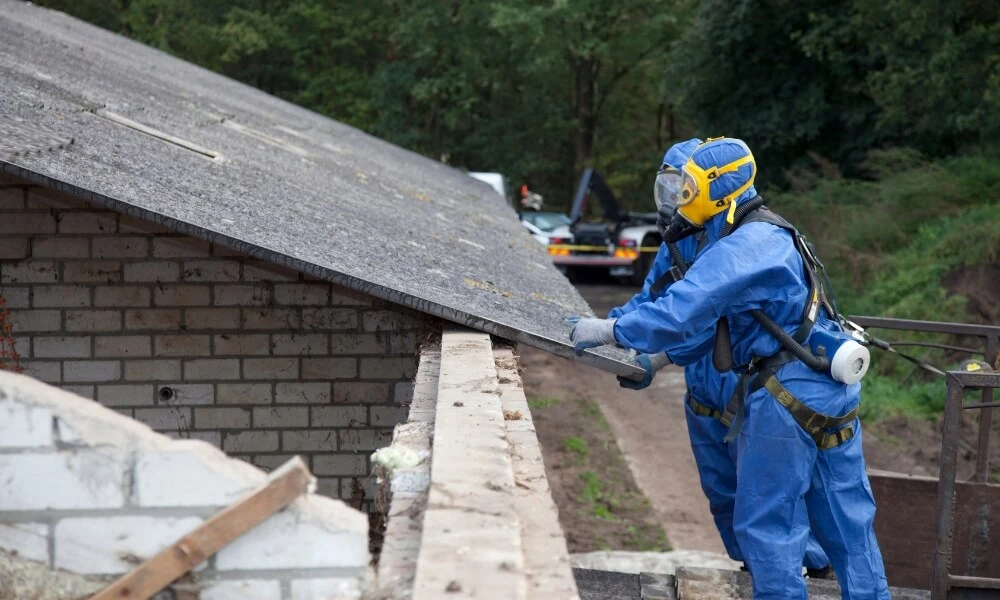
Owning a home in San Diego brings warmth and sunshine, but also the responsibility of protecting your structure and family. Many older, charming homes here relied on asbestos for insulation and fireproofing. Understanding the danger is only the first step. The true safety lies in knowing when to stop wondering and start testing. For more in-depth resources on environmental safety, visit this website.
The Age of the Structure: When to Be Vigilant?
The first and clearest sign that you should consider asbestos testing is the construction date of your home. Asbestos-containing materials were commonly used in American construction from the 1940s through the late 1970s.
Homes Built Before 1980
If your property was built before 1980, materials like vinyl floor tiles, roofing shingles, insulation around hot water pipes, and textured ‘popcorn’ ceilings are all potential hazards. In these older homes, the asbestos signs are hidden, built right into the structure itself. The material is safe only when sealed and undisturbed. This age factor alone is enough reason to prioritize professional asbestos testing before any major changes.
Planned Disruption
The mineral asbestos only becomes dangerous when its fibers are released into the air. This always happens when you disturb the material. Therefore, any planned renovation is a major trigger for asbestos testing.
Imagine you want to remove that old wall separating the kitchen and dining room. Cutting, drilling, scraping, or tearing down materials like drywall or old flooring in your San Diego property can release microscopic, toxic fibers. If the material is suspected to be an asbestos carrier, you must test it before demolition begins. Skipping this step for the sake of time is never worth the risk.
The DIY Danger Zone
For the enthusiastic do-it-yourself person, caution is essential. Many unintentional asbestos exposures happen during small, seemingly harmless projects. Simply sanding an old textured ceiling or replacing a few cracked tiles can spread contamination throughout your home. Before you even pick up a tool, if the structure matches the high-risk age bracket, proactive asbestos testing is the most responsible choice.
Unforeseen Damage
Sometimes, the decision to test is forced by external events or material failure. Look for physical signs of wear that indicate potential fiber release.
Water Damage and Deterioration
Water is a powerful, destructive agent. If your property in San Diego has experienced leaks, flooding, or persistent dampness, especially in basements or utility areas, the integrity of asbestos-containing materials is compromised. When these materials—like pipe insulation or ceiling tiles—suffer water damage, they become soft, crumble easily, and are far more likely to shed dangerous fibers. This deterioration is a critical asbestos sign that demands immediate, professional inspection and asbestos testing.
Buying or Selling: Due Diligence Moments
Any real estate transaction involving an older property should include a discussion about potential asbestos. As a buyer, testing is part of smart due diligence, protecting your future investment and health. As a seller, confirming the material’s presence or absence, or completing professional remediation, simplifies the transaction and establishes trust with potential buyers. Asbestos testing removes uncertainty for all parties involved.
Protect Your Property
Protecting your property means facing potential issues with a confident, solution-oriented approach. Knowing the key asbestos signs—the home’s age, plans for disruption, and any material deterioration—empowers you to act before a problem becomes a crisis. When in doubt, always choose safety first.
If your home shows any of these warning signs, reach out to professionals who can conduct safe and accurate asbestos testing. Visit our website today to schedule an inspection and take the first step toward peace of mind for your home.









Comments