
 By
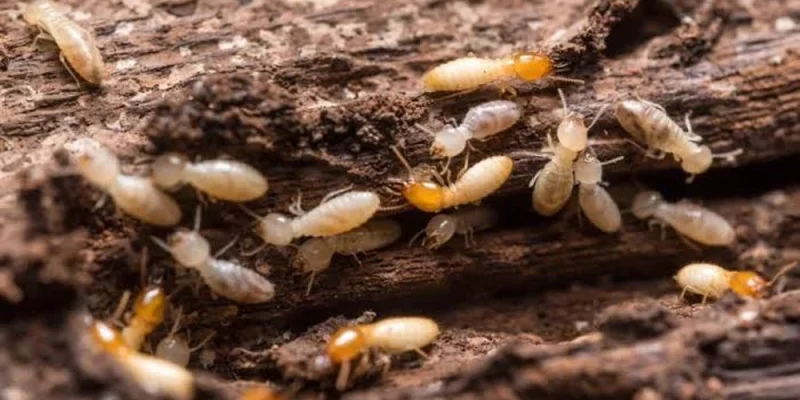
Lakefront Clermont properties can have docks, decks, railings, fences, and other wooden structures close to the water. Some of that wood may contact damp soil, while protected sections above ground can provide suitable entry points for drywood termites. Owners who look into termite control Clermont often focus on the house and overlook these outdoor structures, where termite activity can also develop.
Two termite groups are especially useful to distinguish when inspecting a Clermont property: subterranean termites and drywood termites. They reach wood in different ways, so the signs found around a lakefront property can point to different sources.
Subterranean and Drywood Termites Are Not the Same
Subterranean termites live in the soil and use moisture as they forage. Mud tubes allow them to travel from the ground to wood above it. A fence post or other wooden support that contacts damp soil can therefore deserve closer inspection, especially where it connects to the house or another structure.
Drywood termites work in another way. UF/IFAS notes that they live entirely inside dry wood above the ground and do not need soil at all. They can infest attic framing, fascia boards, window sills, doors, and even furniture. On a lakefront property, protected sections of decks, railings, trim, boats, and other wooden structures can provide the wood these termites colonize. The West Indian drywood termite swarms from April through July, while southeastern drywood species can swarm from May into November.
Where Lakefront Wood Needs Closer Inspection
Waterfront structures create several places to inspect. Wood that contacts soil can provide subterranean termites with access from below, while cracks, joints, and protected sections of outdoor wood can give drywood swarmers places to establish colonies.
The surroundings can also hide early signs. A dock support may meet the soil below the visible deck surface, while a fence or deck can cover the foundation edge from view. Firewood, discarded lumber, or other wood stored directly on the ground adds another area to check.
These details make the inspection of a lakefront property different from looking at the house alone. The wood may be separated from the living space, but it can still show signs that help identify termite activity.
Reading the Signs on Each Type
The two termites leave different signs, and telling them apart helps.
- Subterranean termites leave mud tubes. Look for pencil-width mud lines on pilings, seawall caps, foundation walls, and the posts under a deck.
- Drywood termites leave fecal pellets. UF/IFAS describes six-sided pellets about one to two millimeters long, pushed out of tiny holes. They look like sawdust or coffee grounds and pile up below the wood.
- Termite damage can leave wood sounding hollow when tapped. Surface changes such as blistering or peeling paint can also occur where drywood termites are active.
- Both groups produce winged swarmers. Shed wings on a dock, deck, or window sill indicate that swarmers were present and give you a reason to inspect nearby wood for signs of a colony.
Keeping Termites Out of Waterfront Wood
Choose pressure-treated or termite-resistant materials when replacing exterior wood, and keep wood from touching damp soil where possible. Keep exterior wood maintained and seal cracks or openings where appropriate, particularly around joints and other areas where drywood swarmers could gain entry. Keep stacks of firewood and spare boards elevated, with some distance between them and the house.
Inspection is the most important step with termites, because the early damage hides inside the wood. Saela can inspect both the house and the waterfront structures, identify which termite is present, and recommend the right treatment for that type. Early detection can help identify affected wood before the damage extends into a larger section of the structure.




Comments