
 By
By 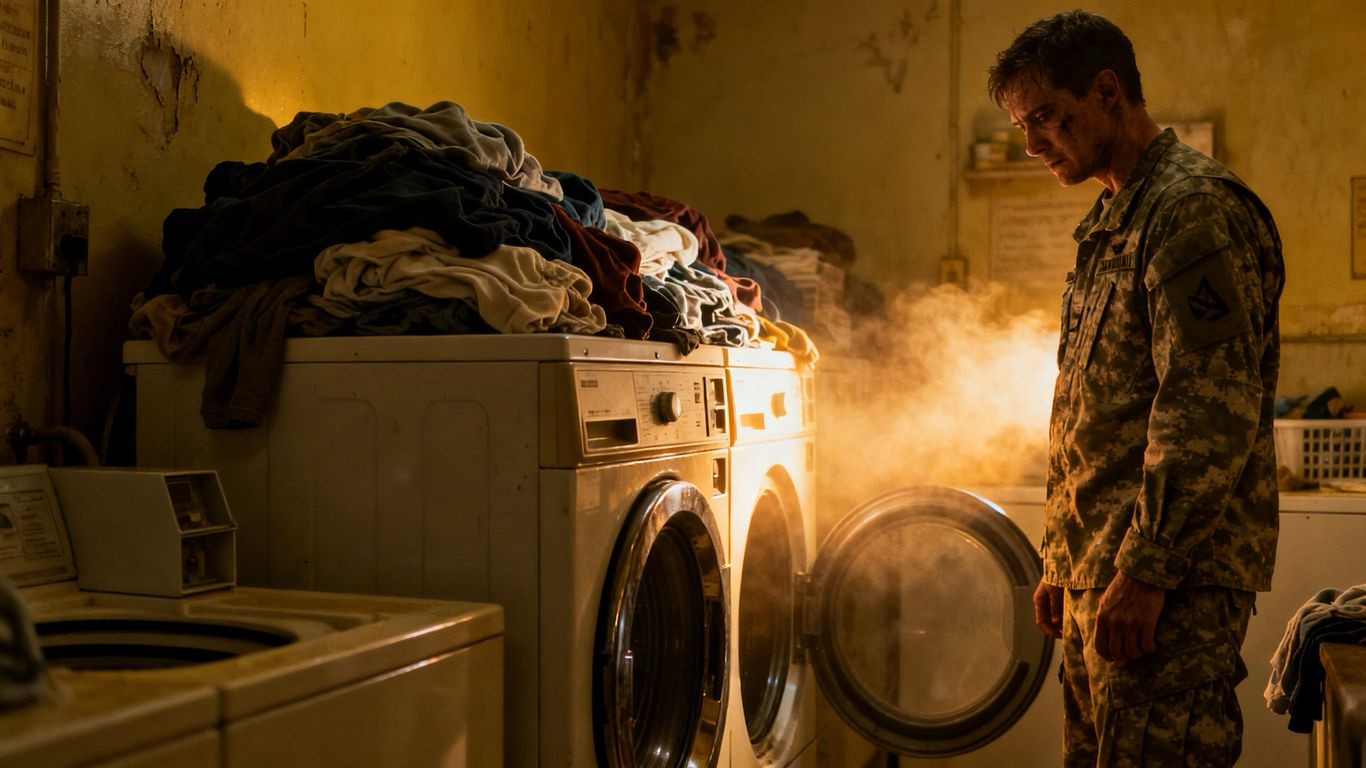
Living quarters for service members, often referred to as barracks, have historically presented a range of environmental challenges. These shared spaces, designed for efficiency and occupancy, can inadvertently become points of exposure to various hazards. The close proximity of personnel and the nature of communal living create unique risks that can follow veterans long after their service ends.
Shared Laundry Facilities as Exposure Points
Communal laundry rooms are a common feature in barracks. While convenient, these areas can act as hubs for the transfer of contaminants. Items washed in these facilities, including uniforms and linens, may carry dust, fibers, or chemical residues from the service member’s work environment. Without proper protocols, these substances can spread to other clothing and surfaces within the laundry area, and subsequently, to personal belongings brought home. This is particularly concerning when considering the potential for airborne particles to settle on clothing that is then worn or handled by family members. Veterans and family members later diagnosed with peritoneal mesothelioma can explore options for legal help for peritoneal mesothelioma patients to pursue compensation from the companies that manufactured the asbestos-containing materials.
Deteriorating Living Quarters and Associated Risks
Many barracks, especially older ones, suffer from neglect and a lack of consistent maintenance. This can lead to a host of problems that impact the health of those living within them. Issues such as:
- Mold growth due to water damage or poor ventilation.
- Exposed wiring, posing fire hazards.
- Pest infestations, including rodents and insects.
- Corroded plumbing and potential for leaks.
- Peeling paint and deteriorating building materials.
These conditions are not merely aesthetic concerns; they represent tangible environmental hazards. For instance, mold can trigger respiratory problems and allergic reactions, while deteriorating materials might contain harmful substances like lead or asbestos, especially in buildings constructed before the 1980s. The constant exposure to such an environment can weaken a service member’s immune system and contribute to chronic health issues. Veterans who served on military bases may have been exposed to asbestos [603c].
Cross-Branch Housing and Unforeseen Contaminants
In some instances, service members from different branches of the military may be housed in the same facilities, or facilities may be shared. This can introduce a wider array of potential contaminants. Different branches may use distinct cleaning agents, have unique occupational exposures, or utilize different types of equipment and materials in their training and daily operations. When these elements are brought into shared living spaces, there’s a risk of cross-contamination. For example, a service member whose job involves working with specific industrial chemicals might inadvertently transfer residues to common areas, which could then affect personnel from other branches with different health profiles and sensitivities. This situation highlights the complexity of tracking and identifying all potential exposures within military housing, making it difficult to pinpoint the source of later health problems. Coast Guard veterans may have been exposed to asbestos during their service [7b11].
The Silent Threat of Domestic Asbestos Fiber Transfer
Asbestos Exposure Through Household Chores
Many veterans may not realize that the very act of doing laundry at home can reintroduce hazards from their service. Asbestos fibers, microscopic and persistent, can cling to uniforms and work clothes. When these clothes are brought home, the fibers can become airborne during washing and drying. These tiny particles, invisible to the naked eye, can then settle on surfaces throughout the house, creating a lingering environmental risk. This is particularly concerning for families with young children or individuals with respiratory issues. The simple task of washing clothes can inadvertently spread these dangerous fibers, making the home environment less safe.
Family Members at Risk from Contaminated Work Clothes
The danger extends beyond the veteran. When contaminated clothing is brought home, family members can be exposed through various means:
- Direct Contact: Hugging or physical contact with a service member wearing contaminated clothing.
- Laundry Handling: Sorting, washing, and drying clothes can release fibers into the air.
- Home Contamination: Fibers can spread from clothes to furniture, carpets, and even the air ventilation system, affecting everyone in the household.
This secondary exposure means that loved ones who never served in the military can still face health risks associated with a veteran’s service. It highlights how military environmental exposures can follow veterans long after their service ends. Family members who develop abdominal symptoms after prolonged contact with contaminated clothing should be aware of peritoneal mesothelioma from secondary exposure, a form of the disease linked to ingested or inhaled fibers.
Understanding Mesothelioma from Laundry Exposure
One of the most serious health consequences linked to asbestos exposure is mesothelioma, a rare and aggressive cancer. The microscopic asbestos fibers, once inhaled or ingested, can lodge in the body’s lining, leading to inflammation and, over time, the development of cancerous tumors. While direct occupational exposure is the most common cause, secondary exposure through contaminated clothing, as described above, can also contribute to the risk. For veterans who served in locations where asbestos was prevalent, such as certain Air Force bases, the risk is amplified. Understanding the connection between barracks life, laundry practices, and the potential for developing mesothelioma is vital for veterans and their families seeking appropriate medical care and benefits. A detailed peritoneal mesothelioma overview can help families recognize the specific symptoms associated with abdominal asbestos-related disease.
Beyond Asbestos: Other Barracks-Related Toxins
While asbestos is a well-known hazard, military barracks and training grounds have historically housed a variety of other dangerous substances. These contaminants, often unacknowledged or poorly managed, can pose significant long-term health risks to service members.
Exposure to Chemicals and Radiation in Military Settings
Barracks environments could expose individuals to a range of harmful chemicals. For instance, cleaning agents used in maintenance, solvents for equipment repair, and even fuels could lead to direct contact or inhalation. Some training areas, particularly those used for chemical warfare exercises or demolition, might have residual contamination. The long-term effects of these exposures are not always immediately apparent.
- Chemicals: Solvents, cleaning fluids, pesticides, and industrial chemicals used in various military operations.
- Radiation: Exposure could occur in areas with historical radioactive material use or testing.
- Combustion Byproducts: Smoke and fumes from fires or engine exhaust in enclosed spaces.
Potential Health Impacts of Unacknowledged Toxins
Many service members have reported health issues that they believe stem from their time in service, even if the specific toxin isn’t widely recognized. For example, some veterans have raised concerns about exposure to firefighting foam, which contains PFAS chemicals. Others recall working with substances like carbon tetrachloride without adequate protection. The lack of clear documentation or acknowledgment of these exposures makes it difficult for veterans to connect their current health problems to their military service. This is similar to the awareness raised during Firefighter Cancer Awareness Month, highlighting how occupational hazards can lead to serious illness.
Long-Term Health Consequences for Service Members
The consequences of exposure to these varied toxins can manifest years after service. Veterans may experience a range of chronic conditions, including respiratory problems, neurological issues, and an increased risk of certain cancers. The difficulty lies in proving a direct link between a specific exposure during service and a later-diagnosed illness, especially when the exposure occurred decades ago and records are scarce. This often leaves veterans struggling to receive the care and benefits they deserve for conditions contracted while serving their country. Those experiencing abdominal discomfort alongside respiratory symptoms should review guidance on peritoneal mesothelioma symptoms and diagnosis to understand when further evaluation is warranted.
Challenges in Addressing Veteran Health Claims
Difficulties in Proving Service-Related Illnesses
Figuring out if a health problem started because of your time in the service can be tough. The military environment, especially in older barracks, often meant exposure to things we didn’t even know were harmful back then. Think about laundry rooms in barracks – they were often damp, poorly ventilated, and shared by many. This could mean exposure to mold, mildew, and maybe even fibers from deteriorating building materials. Proving that these conditions directly led to a specific illness years later is a big hurdle. Records might be incomplete, or the link between the exposure and the disease might not be obvious. It’s not like there was a sign saying, ‘Warning: Asbestos fibers in this laundry room.’ The connection is often indirect and takes a lot of evidence to establish.
Navigating VA Benefits and Eligibility
Once you think your illness is service-related, the next step is dealing with the VA. The system for getting benefits can feel complicated. There are specific forms to fill out, deadlines to meet, and often, a need for medical documentation that clearly links your condition to your military service. Sometimes, veterans are told their condition isn’t covered because it doesn’t fit neatly into a pre-approved list of illnesses or wasn’t caused by a recognized hazard. This can be incredibly frustrating, especially when you know what you went through. It often requires persistence and sometimes help from veteran service organizations to get through the process.
The PACT Act and Evolving Exposure Criteria
Things are changing, though. The PACT Act is a significant step forward, aiming to help more veterans get the care they’ve earned. It expands the list of health conditions that are presumed to be connected to military service, especially for those exposed to toxins like burn pits and Agent Orange. This means the VA now recognizes more potential links between service environments and veteran health issues. However, understanding exactly how these new criteria apply to individual cases, and how they might cover exposures from older barracks or laundry facilities, is still an evolving process. It’s a positive development, but veterans still need to carefully present their cases to see if they qualify under the new rules. For those diagnosed with abdominal mesothelioma, understanding peritoneal mesothelioma treatment and prognosis is an important step in building a well-documented VA claim.
Ensuring Quality of Life and Housing Standards
The Importance of Adequate Unaccompanied Housing
Providing service members with suitable living spaces is more than just a matter of comfort; it’s a key part of military readiness and personnel retention. Unaccompanied housing, often referred to as barracks or dormitories, needs to meet certain standards to support the well-being of those living in them. When these spaces are neglected, it can lead to a host of problems, including health concerns that can follow service members home. The quality of barracks directly impacts a service member’s daily life and long-term health. Facilities should aim for a residential feel, offering more than just a place to sleep. This includes considerations for privacy, noise reduction, and access to common areas that support a healthy lifestyle. The goal is to create environments that acknowledge the demands of military service while providing a decent standard of living. This is especially important when considering the potential for exposure to various contaminants within these shared living spaces. The MOLD Act, for instance, aims to improve oversight and safety in military housing, highlighting the need for better conditions for families.
Inspection Protocols for Barracks and Facilities
Regular and thorough inspections are vital for maintaining acceptable living conditions. These aren’t just about checking for minor cosmetic issues; they should look for deeper problems that could affect health and safety. Inspections need to cover:
- Structural integrity of buildings, including roofing and walls.
- Functionality of essential systems like plumbing, electrical, and HVAC.
- Presence of mold, pests, or other environmental hazards.
- Adequacy of common areas, such as laundry rooms and recreational spaces.
- General cleanliness and upkeep of both individual quarters and shared facilities.
When inspections are done properly, they can identify issues before they become serious threats. A “red, yellow, or green” designation system, as used in some Navy inspections, can help prioritize repairs and ensure that the most critical problems are addressed first. The “Washington Post test” is a good way to think about it: if photos of the conditions were published, would leaders be able to justify them? This kind of scrutiny helps push for necessary improvements.
Prioritizing Maintenance and Renovation Funding
Even the best inspection protocols are ineffective without the resources to act on their findings. Adequate funding for maintenance and renovation is not an optional expense; it’s a necessary investment in service member welfare. Neglected buildings can lead to deteriorating conditions, increasing the risk of exposure to hazards like asbestos or mold. When barracks are old or poorly maintained, repairs can become more complex and costly. Prioritizing funding means addressing these issues proactively, rather than waiting for a crisis. This includes:
- Allocating sufficient budgets for routine upkeep.
- Planning and executing major renovation projects for older facilities.
- Investing in modern building materials and designs that are more durable and easier to maintain.
- Ensuring that funds are used effectively and transparently.
Without a commitment to proper funding, the cycle of neglect and potential exposure continues, impacting service members both during their service and long after they return home.










Comments