
 By
By 
Selling a home always brings big choices. One major decision is whether to sell “as is” or invest in a few small repairs. Many sellers want a quick sale and less stress. Others see value in making basic fixes. Both paths may offer savings or lead to hidden costs. The right approach depends on the home’s condition and the market. Some owners fear losing time with small upgrades. Others fear losing profit with a lower offer. Each route affects the final sale price in different ways. Understanding these options helps sellers plan better and protect their equity.
The True Cost of “As Is” Sales
Selling a property “as is” means no improvements before listing. The buyer agrees to purchase the home in its current state. This choice saves time and avoids repair costs. It removes pressure and speeds up the process. Yet it often attracts more cautious buyers. Many expect a discount for taking on needed repairs. The real question becomes clear: how much do you lose selling house as is with high stakes. The gap between the asking price and final offer can be wide. Buyers may reduce bids after inspections. A lower sale price may offset any savings from skipping repairs.
The Power of Minor Fixes
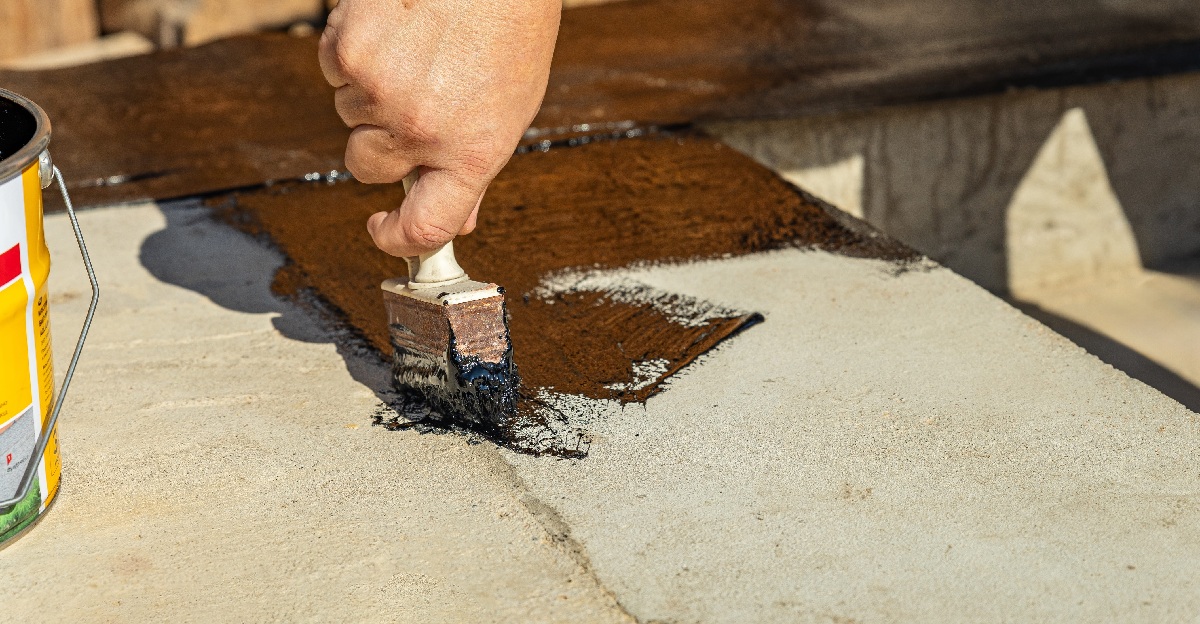
Minor repairs can change the way a home feels. Fresh paint or a new fixture adds charm and confidence to buyers. These upgrades need little cost and effort. They can make an older home appear cared for and ready for living. Small actions often lead to big results. A home with clean walls and working lights feels safer and brighter. Buyers notice such details first. When a home looks maintained it stands out among others. The market reacts well to that appearance. The extra investment can return more than expected once offers arrive.
Comparing Long-Term Returns
Choosing between “as is” and minor fixes calls for balance. Selling without changes saves money upfront. But lower offers may cancel those savings later. Fixed homes often attract more serious buyers. They also spend less time on the market. A shorter sale period means fewer holding costs for taxes and utilities. In contrast, an “as is” home may linger unsold.
Making the Smart Decision
The final decision must match personal goals. Some sellers want ease and instant closure. Others aim for greater returns through effort. Market conditions matter too. A seller’s market may allow skipping updates. A slower market rewards well-presented homes. Either way the decision must feel right. Evaluate the condition of each space with care. Seek advice from an experienced agent. They understand current trends and buyer demands. In the end the best strategy blends comfort with profit. A mindful approach can secure peace and a better sale result.











Comments