
 By
By 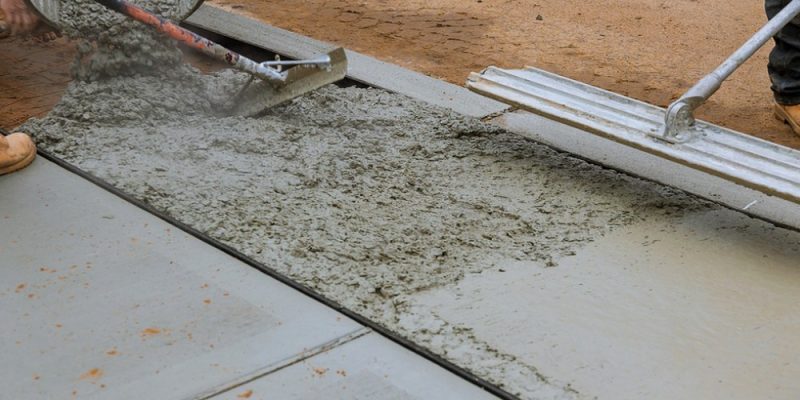
Concrete is one of the strongest and most durable building materials available. It is used for driveways, patios, sidewalks, foundations, and many other structures because it can handle heavy use and harsh weather. However, many property owners wonder how long concrete actually lasts. The answer depends on several factors, including installation quality, maintenance, and environmental conditions.
How Long Can Concrete Last?
When installed and maintained properly, concrete can last 30 years or more. In some cases, concrete structures can remain in good condition for 50 years or longer. Driveways, patios, and sidewalks often provide decades of service before major repairs or replacement are needed. While concrete is extremely durable, its lifespan depends on how well it is cared for over time.
Quality of Installation
One of the biggest factors affecting concrete durability is the quality of installation. Proper site preparation, correct concrete mixing, and professional finishing all play important roles. If the ground is not prepared correctly or the concrete is poured improperly, cracks and other issues may develop much sooner than expected.
Weather Conditions
The weather has a major impact on concrete. Areas with frequent freezing and thawing cycles can cause concrete to expand and contract, leading to cracks over time. Heavy rainfall, extreme heat, and constant exposure to moisture can also affect durability. Proper drainage helps reduce many weather-related problems.
Weight and Traffic
The amount of weight placed on concrete affects how long it lasts. A residential sidewalk experiences much less stress than a commercial parking lot or heavy-duty driveway. Concrete that regularly supports heavy vehicles or equipment may require thicker slabs and reinforcement to maintain long-term durability.
Maintenance and Care
Regular maintenance can greatly extend the life of concrete. Cleaning the surface, sealing it when needed, and repairing small cracks early can prevent larger problems. Ignoring minor damage often allows moisture to enter, which can lead to more extensive cracking and deterioration.
Soil and Ground Conditions
The stability of the soil beneath the concrete also affects durability. Poor soil conditions can cause settling, shifting, and uneven surfaces. Proper grading and preparation before installation help create a stable foundation that supports the concrete for many years.
Reinforcement and Materials
High-quality materials and reinforcement, such as steel rebar or wire mesh, help concrete resist cracking and wear. These additions provide extra strength and improve long-term performance, especially in areas with heavy loads.
Concrete is built to last, but proper installation and maintenance make a big difference. At Unique Concrete Design, we focus on creating durable concrete surfaces that stand the test of time. We use quality materials, proven techniques, and careful craftsmanship to help our customers enjoy strong, long-lasting concrete for years to come.
This post was written by a professional at Unique Concrete Design. https://uniqueconcrete.design/, your top choice for creative concrete solutions in Greenville and Upstate South Carolina. From stamped patios to durable driveways, we specialize in transforming ordinary concrete into extraordinary works of art. With quality craftsmanship and attention to detail, we bring your vision to life both indoors and outdoors. Contact us today for stunning designs that stand the test of time. Unique Concrete Design is a local company built by families and individuals proudly serving our community.




Comments