
 By
By 
Not every fix can happen at once. Here’s how to spend wisely, protect your investment, and avoid costly surprises down the road.
Every homeowner knows the feeling: you walk through your house and see a dozen things that need attention – a leaky faucet, an aging roof, a pool that’s seen better days, outdated wiring, peeling paint, and a kitchen that’s been “temporary” since 2009. The problem isn’t motivation. It’s money. When your budget is limited, the hardest part isn’t doing the work – it’s deciding what to tackle first. Make the wrong call, and you could pour thousands into cosmetic upgrades while a slow leak quietly destroys your subfloor. The right approach is methodical, not emotional.
This guide walks you through a clear, practical framework for prioritizing home improvement projects when funds are tight – so every dollar you spend protects your home, prevents bigger costs, and adds lasting value.
Start With Safety and Structural Integrity
Before you think about aesthetics, think about safety. Any project that poses a risk to your family’s health or the structural soundness of your home goes straight to the top of the list. This includes things like faulty electrical panels, gas leaks, mold infestations, foundation cracks, compromised roofing, and deteriorating load-bearing elements. These aren’t optional upgrades – they’re urgent repairs.
Plumbing failures are among the most destructive safety issues a homeowner can face. A small, ignored drip can quietly cause mold growth, rot wood framing, and damage drywall – turning a $150 repair into a $10,000 restoration. If you’re dealing with persistent leaks, low water pressure, or unexplained spikes in your water bill, it’s time to call in a professional. Trusted services like Jarrod’s Plumbing and Heavenly Throne Plumbing specialize in exactly these kinds of residential plumbing diagnostics and repairs, helping homeowners catch problems before they spiral into structural disasters.
The rule is simple: if something can hurt someone or cause cascading damage, it comes first – regardless of budget pressure.
“A $200 plumbing repair today can prevent a $15,000 mold remediation job next year. Safety and structure are never optional line items.”
Address Water and Moisture Issues Next
After safety, water is your home’s greatest enemy. Moisture infiltration is insidious – it works slowly, stays hidden, and causes disproportionate damage relative to how unassuming it looks. Roof leaks, basement seepage, poor drainage around the foundation, cracked caulking around windows, and deteriorating pool structures all fall into this category.
If you have a pool, don’t let deferred maintenance turn into a major structural repair bill. Cracks in the pool shell, failing pump systems, and damaged plaster aren’t cosmetic – they affect water chemistry, waste thousands of gallons, and can undermine the surrounding deck if left unaddressed. Specialists like Affordable Pool Repair offer cost-effective solutions designed specifically for budget-conscious homeowners who want to keep their pools functional without overspending.
On the plumbing side, slow drains, water heater inefficiencies, and corroded pipes all qualify as moisture-adjacent concerns. Addressing them proactively is almost always cheaper than reacting to the damage they cause. Heavenly Throne Plumbing and Jarrod’s Plumbing both offer assessment services that can help you identify lurking problems before they become budget emergencies.
The Budget Homeowner’s Priority Order
Safety hazards – electrical, gas, structural, mold
Water & moisture issues – leaks, drainage, plumbing, pool integrity
Systems that affect daily living – HVAC, water heater, sewage
Exterior protection – roof, siding, windows, weatherproofing
Energy efficiency upgrades – insulation, smart thermostats, LED lighting
Cosmetic improvements – paint, flooring, fixtures, landscaping
Focus on Systems That Affect Daily Function
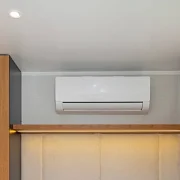
The third tier of priorities covers the mechanical systems your household depends on every day: heating and cooling, hot water, and sewage. These systems don’t need to be new or high-end – they just need to work reliably. A failing HVAC unit in the dead of a Wisconsin winter or a busted water heater in a household of four isn’t a comfort issue; it’s a livability crisis.
When budgeting for systems repairs, get multiple quotes and ask contractors directly what the minimum viable fix looks like. Sometimes a repair is genuinely the right call over a full replacement – especially if the existing system has a few good years left. A reliable general contractor can help you navigate those decisions. Companies like Brynionex provide professional home services and guidance for homeowners trying to make smart decisions about maintenance and repair priorities.
Don’t overlook the sewer line. It’s out of sight and therefore out of mind for most homeowners – but a sewer backup is one of the most unpleasant and expensive emergencies you can face. If your home is older than 30 years and has never had a sewer inspection, that’s a worthwhile investment before something goes catastrophically wrong.
Protect the Exterior Before Improving the Interior
Your home’s exterior is its first line of defense. A compromised roof, deteriorating siding, or failing windows don’t just look bad – they allow water, air, and pests inside, driving up your energy bills and creating interior damage that compounds over time. It’s counterproductive to invest in a beautifully renovated kitchen if water is infiltrating through a neglected roof above it.
Roof repairs and replacements are expensive but critical. If a full replacement isn’t in the budget, prioritize patching and sealing problem areas, cleaning gutters, and ensuring proper drainage away from the foundation. Even small exterior improvements – caulking window frames, repairing weather stripping, painting trim – provide outsized protection relative to their cost.
When evaluating which exterior projects to tackle, focus on function over form. A fresh coat of paint is nice, but new weather stripping on a drafty door will save you money every month. Consult resources like Going With Gibbs for practical homeowner insights on making smart, value-driven choices for your property.
Invest in Energy Efficiency When the Big Fixes Are Done
Once your home is structurally sound and its core systems are functioning, it’s time to think about long-term operating costs. Energy efficiency upgrades won’t make the front page of a design magazine, but they will quietly save you hundreds of dollars every year.
Attic insulation, for example, is unglamorous but delivers one of the best returns on investment of any home improvement project – often paying for itself in reduced heating and cooling costs within a few years. Programmable or smart thermostats, low-flow plumbing fixtures, and LED lighting upgrades are all low-cost projects with meaningful long-term payoffs.
Many utility companies offer rebates and incentive programs for energy efficiency improvements, which can substantially reduce your out-of-pocket costs. Before you start any energy upgrade, check your local utility’s website and the federal Database of State Incentives for Renewables & Efficiency (DSIRE) for available programs.
Save Cosmetic Projects for Last – But Don’t Neglect Them Forever
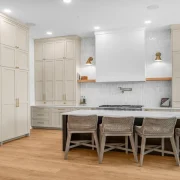
Here’s the hardest truth for budget-conscious homeowners: that kitchen remodel you’ve been dreaming about should probably wait. Cosmetic improvements – new flooring, fresh paint, updated fixtures, landscaping – are the most satisfying projects emotionally, but they’re the least critical strategically. They don’t prevent damage, don’t improve safety, and rarely generate ROI that exceeds the cost if you’re planning to stay in the home long-term.
That said, cosmetic neglect has real consequences for morale and for property value if you’re planning to sell. The key is to be strategic about which cosmetic projects you pursue and when. A fresh coat of interior paint costs relatively little and delivers a significant psychological boost – that’s a reasonable budget splurge once the essentials are covered. A full bathroom gut renovation while your roof is still questionable is not.
Professional guidance can help you identify which cosmetic improvements will add the most value relative to your specific market. Services like Going With Gibbs can offer local market insights that help you invest in the right places at the right time. And contractors like those at Brynionex can help you sequence projects realistically within a budget framework.
Build a Simple Prioritization System
If you’re feeling overwhelmed by your project list, try this simple triage method. Walk through your entire home with a notepad and categorize every project into one of three buckets:
Urgent: Safety hazards, active leaks, failing systems. These need professional attention within 30-90 days regardless of budget. If cash is tight, explore financing options or negotiate payment plans with contractors.
Important: Items that are deteriorating but haven’t yet caused damage – a roof with a few years left, an aging water heater, a pool with early-stage cracks. Schedule these within 6-18 months and start setting aside funds now.
Desirable: Cosmetic and lifestyle upgrades. These go into a long-term wish list with no fixed timeline. Tackle them when you’ve built enough of a maintenance reserve that you’re not trading safety for aesthetics.
Revisit your list every six months. Conditions change, priorities shift, and something in the “desirable” column might migrate to “important” faster than expected.
Common Questions About Budget Home Improvement
What is the first home improvement project I should do on a tight budget?
Always address safety hazards first. Faulty electrical wiring, gas leaks, structural damage, or active plumbing leaks should be resolved before any other project. Ignoring these can lead to exponentially more expensive repairs – or worse, put your family at risk. For plumbing emergencies, professionals like Jarrod’s Plumbing offer responsive, affordable service.
How much should I budget for annual home maintenance?
A commonly cited rule of thumb is to set aside 1-2% of your home’s purchase price annually for maintenance and repairs. On a $350,000 home, that’s $3,500-$7,000 per year. If your home is older or you’ve deferred maintenance in recent years, budget closer to 2-3%. This reserve should be kept separate from your renovation budget.
Is it worth repairing a pool or should I fill it in?
It depends on the extent of the damage and how much you use your pool. For most homeowners, repairing a pool is significantly cheaper than removing it – and a functional pool adds real property value in warmer climates. Specialists like Affordable Pool Repair can assess your pool’s condition and provide honest guidance on whether repair or major restoration makes more sense for your situation.
What home improvements add the most value on a limited budget?
According to Remodeling Magazine’s annual Cost vs. Value Report, minor kitchen remodels, garage door replacements, and exterior improvements like siding and entry doors consistently deliver the best returns. Energy efficiency upgrades also provide ongoing savings. Avoid over-improving for your neighborhood – luxury finishes in a mid-range market rarely recoup their full cost.
How do I know if a plumbing issue is urgent?
Seek immediate professional help if you notice water stains spreading on ceilings or walls, sewage smells inside the home, gurgling sounds from drains, significantly reduced water pressure, or a sudden spike in your water bill. These are signs of active issues that will worsen quickly. Reach out to trusted local professionals like Heavenly Throne Plumbing for a diagnosis before minor problems become major ones.
Can I do home improvement projects myself to save money?
DIY can save significantly on labor costs for straightforward projects like painting, landscaping, installing fixtures, and basic carpentry. However, plumbing, electrical, roofing, and structural work typically require licensed professionals – both for safety reasons and because improper work can void insurance, fail inspections, and create far more expensive problems. When in doubt, get a professional opinion before you start.
How do I find reliable contractors when I’m on a budget?
Get at least three quotes for any significant project. Check licensing, insurance, and references. Look for contractors with strong local reputations and transparent pricing. Resources like Going With Gibbs and Brynionex provide homeowner-focused guidance to help you navigate the contractor selection process with confidence.






Comments