
 By
By 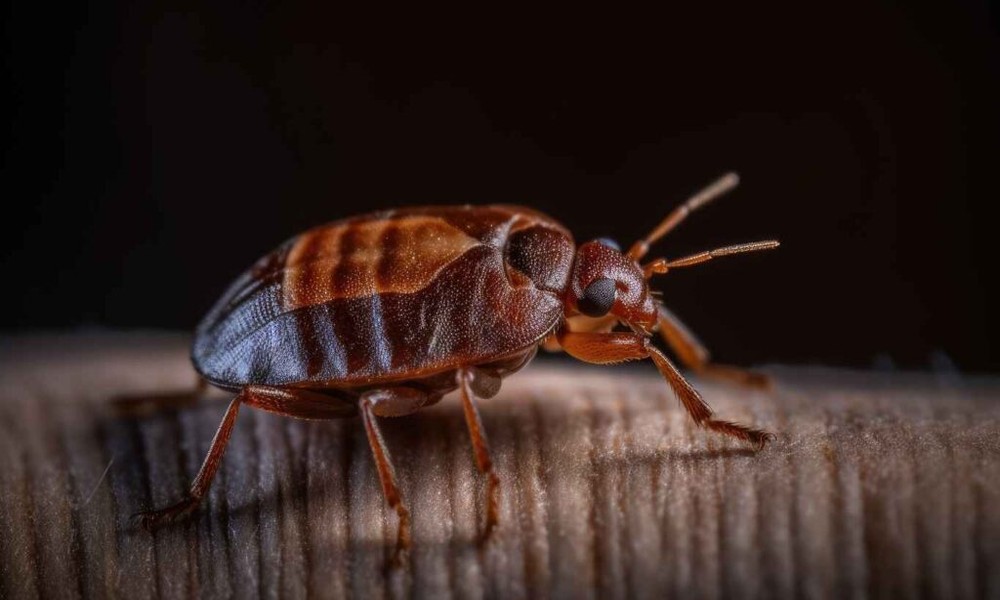
Most people who suspect they have bed bugs have never seen one before. They’ve found something – a small dark spot on a mattress seam, a suspicious bite on their arm, a tiny brownish speck on the sheets – and they’re trying to figure out whether it’s a bed bug, something else entirely, or just anxiety. That uncertainty is one of the most uncomfortable parts of the experience, and it’s why Hot Bugz’s inspection process starts with a simple commitment: we won’t recommend any treatment without showing you live evidence first. Eggs, shell casings, fecal spots, or live bugs – if it’s a bed bug infestation, we’ll find the proof and you’ll see it before we schedule anything. Understanding what to look for yourself, before you call anyone, helps you make a better-informed decision about how serious the situation is and how urgently to act.
The Life Stages: What You’re Actually Looking For
Bed bugs go through five nymphal stages before reaching adulthood, and each stage looks slightly different. Knowing what all of them look like – not just the adult – is important because the stage you find gives you information about how established the infestation is.
Eggs are the hardest to see. They’re about 1 millimeter long, white or pearl-colored, and roughly the shape of a grain of rice – except much smaller. They’re laid in clusters, tucked into the seams of mattresses, into wood grain, into the joints of bed frames, or anywhere else that provides a sheltered surface. A fresh egg has a shiny cap on one end. Once hatched, the empty shell remains – translucent white and slightly collapsed.
First-stage nymphs are translucent to pale yellow, roughly the size of a sesame seed, and nearly invisible unless they’ve recently fed. After feeding, a nymph becomes bright reddish-orange from the blood in its digestive system. This is often the first live stage people notice – a tiny moving orange speck on white bedding.
Older nymphs through stages two to five progressively darken toward the reddish-brown of the adult. Each stage is slightly larger than the previous. By the fifth nymphal stage, they’re about 4 millimeters – large enough to see clearly with the naked eye, the shape of an apple seed, reddish-brown and flattened.
Adults are approximately 5 to 7 millimeters, the size and shape of an apple seed. Unfed adults are flat and oval, reddish-brown. After feeding, they become more elongated and darker, almost purplish-brown. Adults have a distinctly segmented abdomen with bands that are visible if you’re looking closely.
A key identifying feature across all stages: bed bugs don’t fly. They have wing pads but no functional wings. If it flies, it’s not a bed bug.
Shell Casings: One of the Clearest Signs
Every time a nymph progresses to the next developmental stage, it sheds its exoskeleton – a process called molting. The shed shell, called a casing or husk, is translucent, hollow, and roughly bed-bug-shaped. Finding multiple casings in a concentrated area is one of the clearest indicators of an established infestation, because it means bugs have been present long enough to grow through multiple stages.
Shell casings accumulate in harborage areas – mattress seams, the interior of box springs, cracks in wooden bed frames, behind headboards mounted to walls, along baseboards in areas immediately adjacent to sleeping areas. If you’re finding shells without finding live bugs, it means either the infestation is in hiding (which is common during the day) or you may be looking at a past infestation that was already treated. A professional inspection can distinguish between the two.
Fecal Spots: What They Look Like and Where to Find Them
Bed bug fecal material is digested blood – dark reddish-brown to near-black, deposited as small dots that smear slightly when wiped with a damp cloth. On fabric or paper-based materials, they absorb into the surface and leave a stain. On smooth surfaces like plastic or finished wood, they appear as raised dots that can be scraped off.
The most common locations for fecal spotting are mattress seams (particularly along the piping where the top and side of the mattress meet), along the interior seams of box springs, on the wooden slats and joints of bed frames, behind outlet covers on walls adjacent to beds, and on the wall surface directly behind headboards.
Fecal spots are easier to photograph and evaluate than live bugs, and they’re a reliable indicator that an infestation is or was present. The density and distribution of spotting helps professionals estimate the size and duration of the infestation.
Bite Patterns: Useful but Not Definitive
Bites are what typically send people searching in the first place, but they’re one of the least reliable sole indicators of bed bugs. About 30% of people don’t react to bed bug bites at all. Of those who do, the reaction varies from mild itching to significant welts, and the bites themselves look indistinguishable from mosquito bites, flea bites, spider bites, or contact dermatitis.
The patterns often associated with bed bug bites – “breakfast, lunch, and dinner” rows of three – are common enough to be useful, but they’re not universal. Bed bugs feed for five to ten minutes, then retreat to their harborage. Multiple bites in a cluster or line can indicate multiple feeding events or multiple bugs feeding in sequence.
If you have bites you can’t explain, the right response is to inspect your sleeping area – not to assume it’s bed bugs and not to assume it isn’t. The physical evidence in the room is what confirms or rules out bed bugs, not the bites themselves.
What to Inspect and How
The primary inspection areas in any bedroom are:
The mattress, especially all four seams along the perimeter, both top and bottom, and the area around handles and vents. Flip the mattress and inspect the underside.
The box spring interior. Pull back or remove the dust cover on the underside of the box spring – this is one of the most common primary harborage sites and one of the most commonly missed by people doing their own inspections.
The bed frame, especially all joints, the inside of any hollow tubing, and any cracks in wooden components. Headboards – particularly those mounted to walls – deserve particular attention.
The baseboards and wall junction along the sides of the bed closest to where you sleep.
Look with a flashlight. Bring the inspection area into good light. Use a credit card or business card to probe into mattress seams and expose anything hidden in crevices.
How Hot Bugz Conducts an Inspection
A Hot Bugz inspection is a professional visual examination of all likely harborage sites in the affected area. The inspection typically happens the same day you call. The goal isn’t to confirm what you want to hear either way – it’s to find the truth. If there are bed bugs, we’ll find them and show them to you. If there’s no evidence of active infestation, we’ll tell you that clearly.
We don’t use K9 detection services. Our experience has been that K9 accuracy in Colorado varies significantly depending on the handler, and visual confirmation by a human inspector with 16 years of bed bug experience is more reliable. We will never recommend a heat treatment without physical evidence of live bugs, eggs, or fresh fecal material.
If you’ve found something you can’t identify, or if you have bites you can’t explain, contact Hot Bugz for a same-day inspection. Knowing for certain is better than weeks of anxiety.








Comments