
 By
By 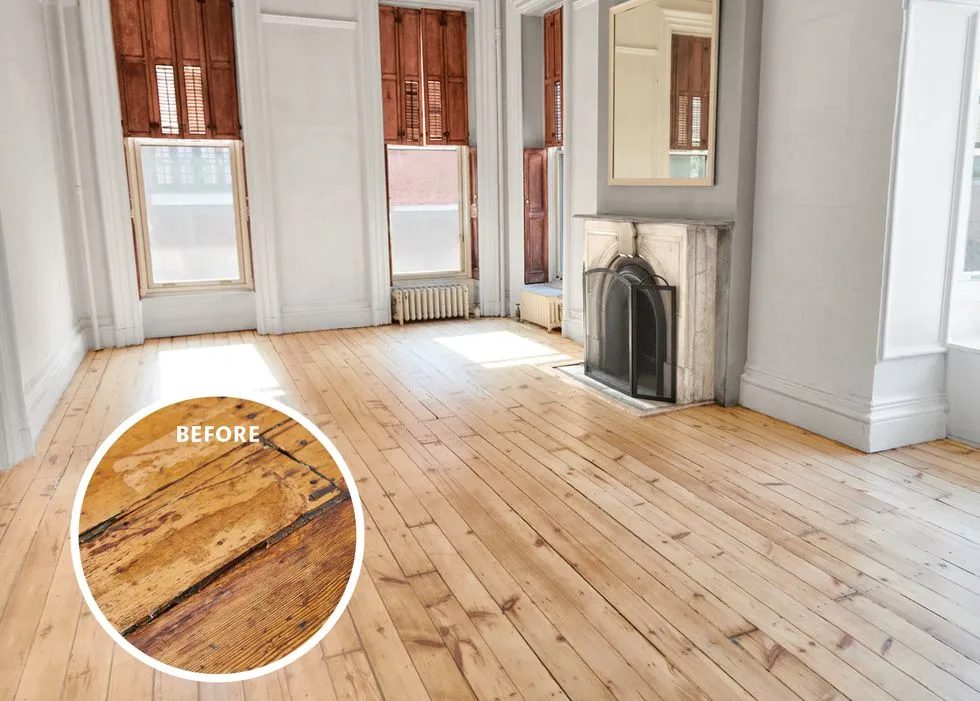
Sunlight streaming across a hardwood floor can reveal more than warm wood grain; it often exposes decades of footsteps, scratches, and lost shine. What once added subtle elegance to a home may now look faded and tired. So, what actually happens when you decide to bring your floors back to life with professional sanding?
The Toll of Time: Identifying Worn Hardwood Floors
Years of daily living can leave their mark on even the sturdiest hardwood floors. Maybe you notice dull patches, stubborn stains, or grooves where furniture used to sit. These are all red flags that your floor is wearing out.
Common Signs of Floor Wear and Damage
– Discoloration or gray, ashy spots where finish has worn away.
– Scratches that catch the light or shoes.
– Stubborn stains near entryways or kitchens.
– Squeaking or loosened planks.
These issues creep up slowly, making it easy to let them slide for a while. But the longer these signs are ignored, the more they undermine your home’s appeal.
How Wear Impacts Home Aesthetics and Value
Worn floors suck light and vibrance out of a room. They make even freshly painted walls or new furniture appear less impressive. In real estate, homes with gleaming hardwood command a premium; buyers see dull, damaged floors and anticipate extra costs.
Why Ignoring Worn Floors Can Lead to Bigger Problems
Minor surface wear can quickly turn into bigger issues. Unprotected wood absorbs spills, which triggers warping or staining that might require plank replacement later. Gaps or loose boards become tripping hazards. Waiting too long means simple sanding may no longer be enough and more costly fixes could be necessary.
Exploring Solutions: From Simple Fixes to Professional Sanding
Many homeowners try to spot-treat damage with area rugs or DIY solutions. While useful for very minor blemishes, these quick fixes often fall short against deeper wear.
DIY Touch-ups vs. Professional Restoration
A scratch cover stick or polish can help with small scuffs, but if the finish has worn through or you see deep scratches, it is time to consider professional sanding. Attempting to sand floors without the right equipment risks uneven results or further damage.
What Professional Sanding Entails
Professionals use heavy-duty sanders to remove old finish, smooth out scratches, and restore a uniform surface. Multiple grits of sandpaper ensure that even deep gouges and stains can be addressed. After sanding, your floors can be stained a new color or simply resealed for a natural look.
Benefits of Choosing Professional Sanding Over Replacement
Why not just rip out the floor and start fresh? Sanding costs a fraction of full replacement, preserves historic wood, and minimizes waste. The process is also faster and less disruptive, letting you enjoy your revitalized home sooner.
The Transformation Process: What Happens During Professional Sanding?
Sanding is not just about running a machine over wood. The process starts with detailed assessment and careful preparation.
Assessment and Preparation
Professionals inspect for water damage, nail pops, or loose boards and fix these before sanding begins. Furniture is removed, and the area is cleaned to prevent debris from interfering.
Sanding Techniques and Equipment Used
Using drum or belt sanders for main areas and edge sanders for corners, experts move through progressively finer grits. This step removes old layers, flattens imperfections, and reveals undamaged wood beneath.
Finishing Touches: Staining and Sealing
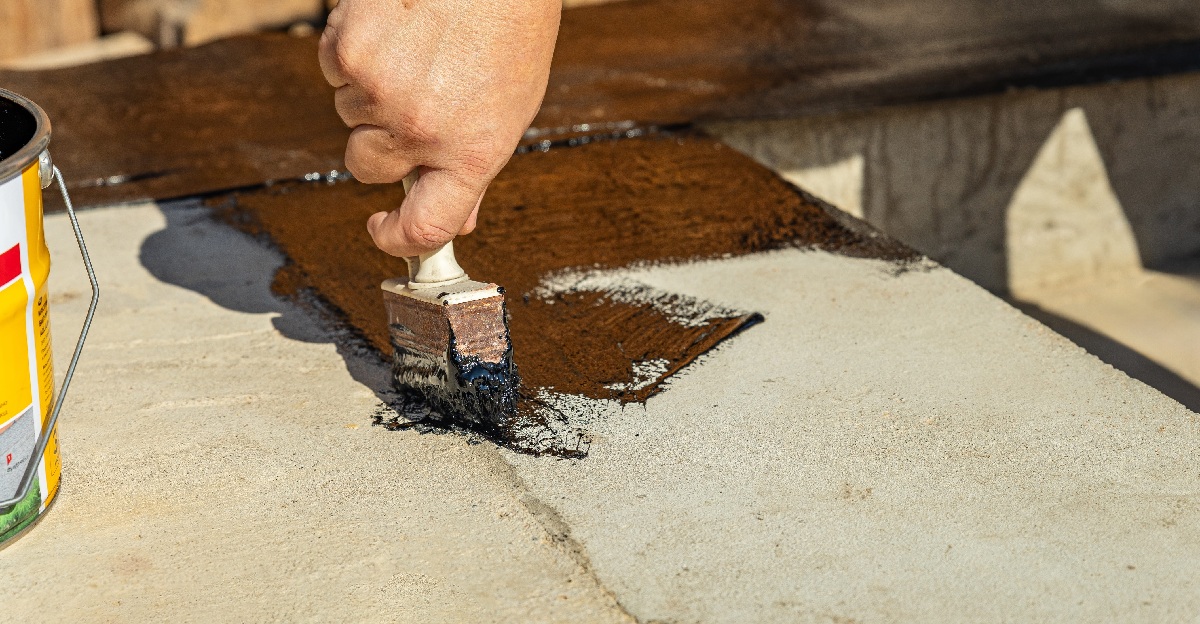
After sanding, floors can be stained to match your style. The final step is sealing, which adds sheen and shields the wood from future spills or scuffs.
Before and After: Visual and Practical Impacts
The transformation can be dramatic. Floors that looked beyond hope become the visual anchor of the room once more.
Dramatic Visual Improvements to Expect
Expect richer, deeper tones and a renewed shine. Streaks, spots, and faded patches vanish. Light bounces off the floor, brightening the entire space.
Longevity and Durability Post-Sanding
Sanding removes years of damage, and a fresh sealant helps protect your investment. With proper care, your refurbished floors can last another decade or more before needing attention.
Real-life Examples and Case Studies
After professional sanding, homeowners routinely report not just improved appearance but also easier cleaning and quieter, more solid-feeling floors. Resources such as Mebesa sablage de plancher Vaudreuil Dorion offer galleries and testimonials highlighting these transformations.
Taking Action: How to Prepare and Choose the Right Service
Preparation is key. Clear out all furniture, and cover nearby surfaces to minimize dust. Ask providers about their sanding techniques, cleanup process, and the products they use for staining and sealing.
Questions to Ask Potential Professionals
– Are you insured and experienced with my floor type?
– How will you contain dust and protect other parts of my home?
– What finish options do you recommend?
– Can you provide references or before-and-after photos?
Cost Considerations and Budgeting Tips
Prices vary depending on floor size and condition, but sanding is consistently more cost-effective than replacement. Get written quotes and ask about warranties on workmanship and finishes.
Maintaining Your Hardwood Floors After Sanding
A little daily care extends your floor’s renewed life. Sweep regularly to avoid grit scratches, use felt pads under furniture, and clean up spills quickly.
Preventative Measures to Avoid Future Wear
Place rugs in high-traffic zones and avoid harsh cleaners. Keep indoor humidity steady to prevent planks from shrinking or swelling.
When to Schedule Next Sanding or Maintenance
With proper care, most floors only need sanding every 10-15 years. However, quick spot maintenance (like recoating) every few years can help preserve shine and protection.
Final Thoughts: Investing in Your Home’s Heartbeat
Restoring your hardwood floors is more than a cosmetic upgrade. It safeguards your investment and elevates daily living comfort. Professional sanding breathes new life into the “heartbeat” of your home, blending durability with style for years to come.









Comments