
 By
By 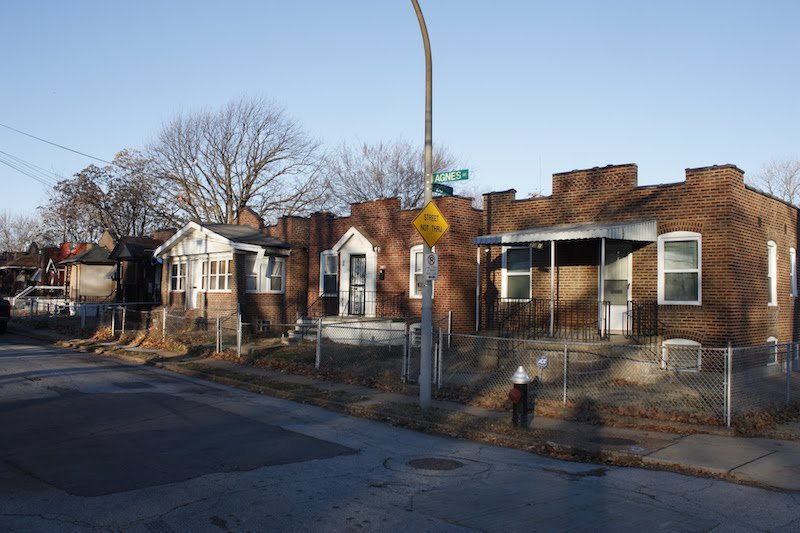
Anyone living near an aging St. Louis alleyway understands their plight all too well. The crumbling brick passages that once were the city’s veins of service have become blooming highways for intruders. Many of the back alleys in Gateway City date back to the early 1900s and have crumbling pavement, overgrown vegetation, or accumulated rubbish, making them ideal breeding and spreading grounds for pests. This issue is exacerbated by St. Louis’ humid summers and moderate winters, where pests thrive all year.
The city receives about 8,000 rodent complaints each year, many of which involve properties adjacent to alleys, according to the St. Louis Department of Health. Now, if you are experiencing an increase in pest activity around your property, contacting an Exterminator in O’Fallon can help solve the problem before it becomes a full-blown infestation.
Pests Commonly Found in St. Louis’ Aging Alleys
St. Louis alleys, as he points out, are an urban pest buffet, with the centuries of neglect of this infrastructure leading to all types of vermin:
- Rats and mice – Norway rats find the sheltering qualities of broken concrete and abandoned buildings in South City and North St. Louis neighborhoods attractive.
- Cockroaches – German and American cockroaches thrive where moisture is present in alleyways, especially in the vicinity of dumpsters and drains
- Raccoons – Masked bandits ripping through our trash bins from Piddle to Forest Park, using alleyways as highways.
- Mosquitoes – The standing water pooling in the cracked pavement of alleyways and plugged drains makes for the perfect breeding grounds on those rainy spring days in St. Louis
- Ants – The pavement ant’s nest can be under an alley, and its scent trail can lead them directly to your doorstep.
How Pests Move From the Alley Into Homes
The path from the alley to the living room is shorter than most St. Louisans think. Rats and mice can fit through a quarter-inch crack in a foundation with ease, which is made easier by crumbling mortar in older brick homes typical in neighborhoods like Soulard and Tower Grove.
Cockroaches ride in on cardboard boxes or grocery bags placed near back entrances. In summer months, when it reaches the mid-90s outside, parasites are looking for a more fabulous place to hide, and they find it through unsealed doors, ripped window displays, and tool line entries. When your home is close to an alley, pests will have less distance to travel.
Ways Homeowners Can Reduce Pest Pressure From Old Alleys
Taking measures, however, can help keep pests from your St. Louis property. Seal cracks in the foundation with steel wool and caulk, especially where utilities enter your home. Store rubbish in metal bins, not in plastic bags that rats can easily rip open. Cut back any tree limbs and shrubs that hang over the alley onto your property line. This will help remove moisture that can build up inside your structure if your downspouts are not properly directing water away from it, and fix leaking outdoor faucets. Finally, enlist your neighbors to call in alley maintenance to the city’s Citizens’ Service Bureau.
Time to Contact a Pest Control Professional
An aging alleyway can bring impossible levels of pest pressure that sometimes even the best DIY effort just cannot overcome. The moment you see droppings frequently, hear scratching in the walls, or notice a slight increase in pest sightings, you need to seek help immediately, regardless of the attempts you have made. Based on St. Louis neighborhoods, Pointe Pest Control understands the challenges of trapping bugs in a city with old houses. Their inspectors identify common points of entry in homes near decaying alleys and develop treatment plans targeting local pest systems. The right pest control partner will create long-term solutions with you, not a quick fix.








Comments